Mexico's Maya Train fails to deliver economic boost
A 1,500-kilometer railway loop around Mexico's Yucatan Peninsula — the prestigious Tren Maya project — was supposed to transform the region. But it's falling short of those ambitious goals.
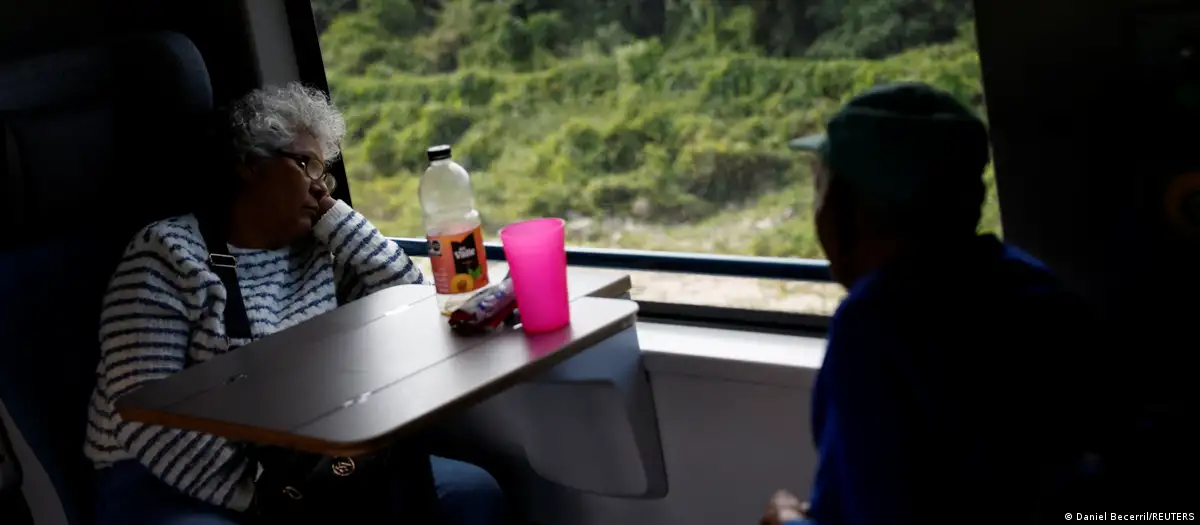
Huge infrastructure initiative
The Tren Maya project is a huge infrastructure initiative in southern Mexico. Spanning more than 1,500 kilometers (about 930 miles), newly laid railway tracks run through picturesque landscapes and fragile ecosystems. The train line was meant to stimulate the economy and tourism while improving infrastructure in the country's impoverished southern regions.
Train has power, but not local schools
In Vida y Esperanza, a small community in the southern state of Quintana Roo, Lidia Patricia Chan Us continues to teach her students without electric lighting, near one of the Maya train's stations. Despite the massive expansion of power lines for the railway, towns and communities along the route say that the new services have failed to reach them.
Expectations dashed
"At the beginning, when the project came along, we were happy about it," said Chan Us. She had hoped the megaproject would drive progress and development, as promised. For years, the 35-year-old teacher has been campaigning to have the school connected to the power grid, despite bureaucratic hurdles.
Fleeting growth
A sustainable economic upswing has yet to materialize. Rail construction sparked 13.2% growth in Quintana Roo, but the trend did not last. In 2025, statistics agency INEGI reported a sharp downturn. More than half of Yucatan's workforce still holds informal jobs without social security.
Tourist attraction
The circular route of the Maya Train around Mexico's Yucatan Peninsula links world‑famous archaeological sites with beach resorts such as Cancun. But legal challenges and environmental protections led to route changes. Many stations are located far from city centers and airports, making them difficult for travelers to reach.
Passenger numbers halved
Train occupancy has also fallen short of expectations. The prestige project was originally expected to carry up to 3 million passengers a year, but that figure has since been cut in half. Revenues currently cover less than 13% of operating costs. Luxury hotels along the route also regularly operate at only about 25% capacity.
Traditions at risk
For many Indigenous groups in southern Mexico, the railway project represents a major intrusion into sacred land. The dense rainforests are central to their identity, and disappointed communities have reported fragmented forests and exploitation of communal lands along the train line.
Hope for the future?
Changes won't happen overnight, Mexican President Claudia Sheinbaum has said in defense of the project. The railway line is expected to become more profitable in the future through increased freight traffic. However the hoped‑for growth and connection through economically weak regions has yet to materialize.