The Cuban Missile Crisis - How Nuclear War Was Avoided
October 8, 2025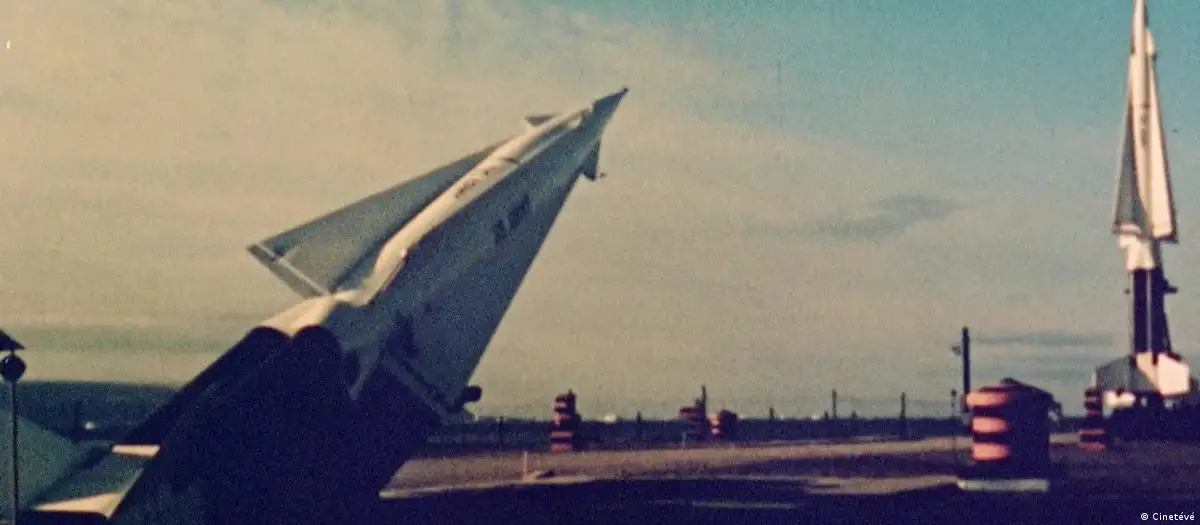
But behind the scenes, Washington had made concessions to the Kremlin.
In the early 1960s, Berlin was already a flashpoint of the Cold War. The USSR issued an ultimatum demanding the withdrawal of Western Allies from the divided city. The US responded by stationing nuclear-capable medium-range missiles in Turkey, near the Soviet border. Soviet leader Nikita Khrushchev saw this as a provocation.
In response, Moscow moved to station its own missiles in Cuba - just 150 kilometers from the United States. The plan - operation Anadyr - began in June 1962, under strict secrecy. Around 80 Soviet ships transported more than 50,000 soldiers and dozens of nuclear-capable missiles to the Caribbean island.
It was not until October that US reconnaissance aircraft with high-resolution cameras discovered the missile sites. On October 22, Kennedy addressed Americans in a dramatic televised speech. He announced a naval blockade against Cuba and declared the Soviet missiles a direct threat to the US.
As the US Navy mobilized to stop the Soviet ships, the world held its breath. A single mistake or misunderstanding could have resulted in a Third World War - with nuclear weapons.
Khrushchev recognized the danger and proposed a diplomatic solution: the withdrawal of missiles from Cuba in exchange for a security guarantee for the Castro government and the dismantling of US missile sites in Turkey. Kennedy agreed. Publicly, the US presented the outcome as a triumph - but at their insistence, the withdrawal of US missiles was kept secret.
Despite having achieved his goal, Khrushchev was removed from power in 1964. The Cuban Missile Crisis highlighted the fragility of the power balance between the two nuclear superpowers, and led both to take measures to prevent future escalations.
Broadcasting Hours:
DW English
SAT 11.10.2025 – 11:03 UTC
SAT 11.10.2025 – 22:03 UTC
SUN 12.10.2025 – 05:03 UTC
Lagos UTC +1 | Cape Town UTC +2 | Nairobi UTC +3
Delhi UTC +5,5 | Bangkok UTC +7 | Hong Kong UTC +8
London UTC +1 | Berlin UTC +2 | Moscow UTC +3
San Francisco UTC -7 | Edmonton UTC -6 | New York UTC -4